DIY Backyard Chicken Run Setup
Uitgelicht onder: Wereldse Keuken
I’ve always dreamed of raising my own chickens, and setting up a backyard chicken run was the first step toward that goal. I wanted a safe, spacious area where my chickens could roam freely while staying protected from predators. After researching various designs and materials, I finally settled on a setup that’s both functional and aesthetically pleasing. Whether you’re a seasoned chicken keeper or a beginner like me, this guide will help you create a perfect habitat for your feathery friends.
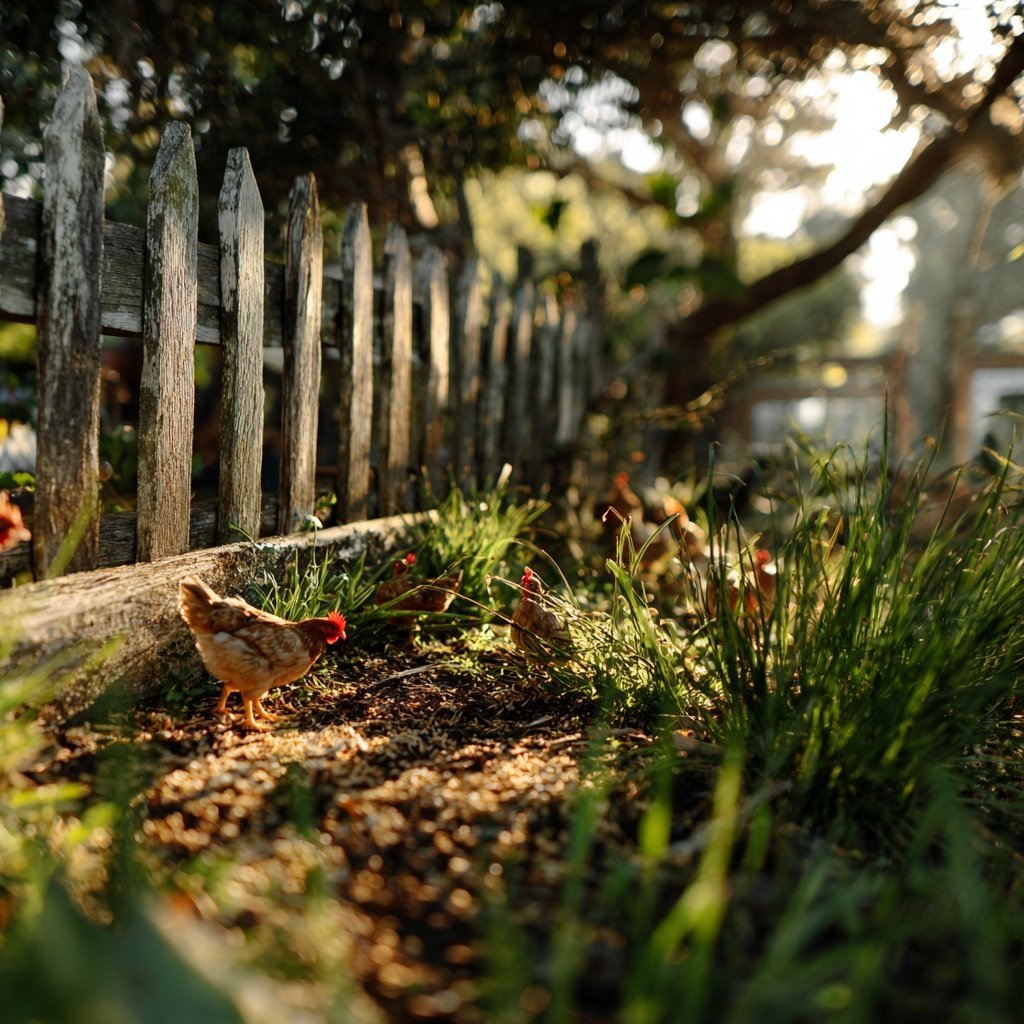
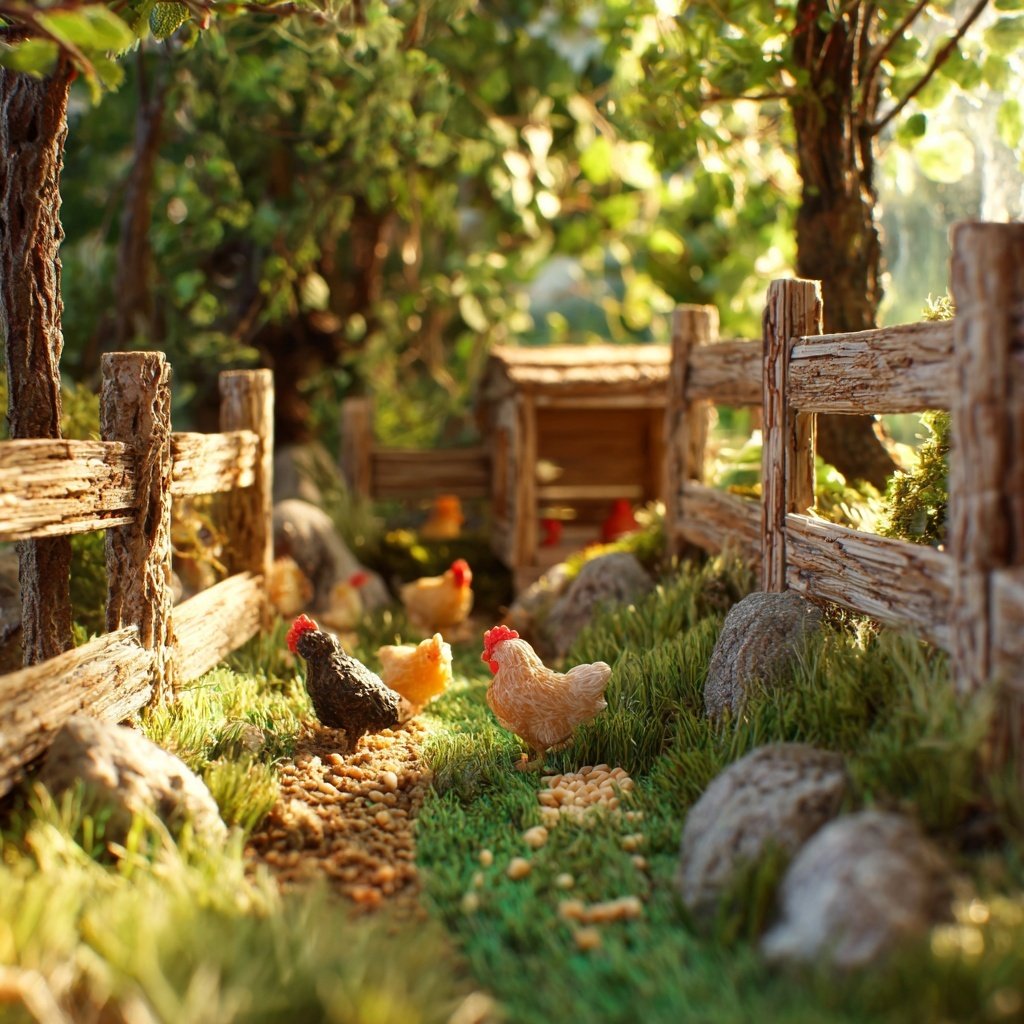
Setting up our chicken run was an adventure we thoroughly enjoyed. We began by planning the layout, considering both the space we had and the needs of our chickens. I discovered that having a secure fence and plenty of room for the chickens to scratch and play was essential for their well-being. One tip I found invaluable was incorporating a shaded area to protect them from the sun during hot days.
After building the frame, I added some perches and nesting boxes, making sure they were at a comfortable height. This encouraged our chickens to settle in quickly and feel at home. Watching them explore their new outdoor space confirmed that all the effort was worth it!
Why You'll Love This Setup
- A safe and secure environment for your chickens
- Customizable design that fits your backyard
- Encourages natural behaviors and promotes chicken health
Choosing the Right Location
When planning the space for your chicken run, it's essential to choose a flat area with good drainage to avoid water pooling. You want a location that gets plenty of sunlight, as chickens thrive in warm environments and will be more active during sunny days. Additionally, consider the proximity to existing structures, such as your coop and water supply, to make daily maintenance easier.
Keep in mind that certain areas may attract more predators than others. Avoid spots near dense shrubs where foxes or raccoons might hide. Elevating your chicken run by a foot or two can also deter some ground-based threats, as chickens tend to feel more secure when they can see their surroundings.
Materials and Tools You’ll Need
For a strong and durable chicken run, it's important to use high-quality materials. Wooden posts should be treated to resist rot and can last many years if properly maintained. I found using pressure-treated lumber works best for this project, as it stands up to weathering. Ensure you also grab heavy-duty wire mesh, ideally 1-inch hexagonal or 1-inch by 2-inch openings, to keep out smaller intruders while allowing good airflow.
In terms of tools, a power drill can speed up assembly significantly compared to manual efforts. You may also want a level to ensure your frame is even across its entire length. Mistakes in your initial measurements can lead to structural weaknesses down the line, so be meticulous with your placement.
Enhancing the Chicken Run
Beyond the basic setup, enhancing your chicken run can substantially improve your flock's well-being. Incorporating features like nesting boxes not only gives chickens a cozy place to lay eggs but also minimizes stress. Position these boxes in quiet corners where hens can retreat when they need some solitude.
Consider adding a dust bath area within the run. Chickens enjoy rolling in dirt to keep their feathers clean and reduce parasites. You can simply designate a spot filled with a mix of sand and fine dirt. Just remember to refresh this area regularly to maintain hygiene and encourage natural behaviors.
Bereidingswijze
Plan Your Space
Identify a suitable area in your yard that is flat and has good drainage. Make sure the location is away from potential predators and has access to sunlight.
Gather Materials
You'll need wooden posts, fencing, wire mesh, nails, and tools such as a hammer and saw. Optional materials include nesting boxes and perches.
Build the Frame
Create a rectangular frame with the wooden posts. Ensure it's sturdy, as it will support the fencing around it.
Attach the Fencing
Securely attach the wire mesh around the frame, ensuring there are no gaps where smaller animals can enter. Cut the mesh to size as needed.
Add features
Incorporate nesting boxes and perches inside the run. Make sure there’s adequate space for your chickens to move around.
Finishing Touches
Place some natural ground cover like straw or sand for comfort and cleanliness. Finally, double-check for security and enjoy watching your chickens!
Professionele Tips
- Regularly check for wear and tear on the fencing and ensure there's adequate ventilation. Also, consider planting some chicken-friendly herbs and plants inside the run to keep the environment enriching for your chickens.
Security Measures
When constructing your chicken run, security should be your top priority. After finishing the frame, I recommend using a bottom layer of wire mesh buried underground around the perimeter—this deters digging predators. Aim to bury at least 12 inches deep to prevent them from burrowing underneath.
Regularly inspect the fencing for any wear or weak points. Animals like raccoons can be deceptively clever, and I've heard stories of an opportunistic coon using its hands to manipulate unsecure locks. Invest in secure latches to prevent any nighttime raids.
Seasonal Considerations
As seasons change, your chicken run may require adaptations. During hot summer months, ensure adequate shade and ventilation to keep your chickens comfortable. Planting leafy vegetables or installing shade cloth can provide relief from the heat. Remember, overheating can stress hens and impact egg production.
In winter, consider insulating your chicken run slightly, especially if you live in colder climates. A simple windbreak made from hay bales can shield your chickens from harsh winds. However, it’s crucial to maintain ventilation to avoid moisture buildup, which could lead to health issues.
Vragen Over Recepten
→ How much space do chickens need?
Chickens need at least 10 square feet of outdoor space per bird to roam comfortably.
→ What materials are best for building a chicken run?
Using treated wood for the frame and galvanized wire mesh for fencing is ideal for durability.
→ How can I protect my chickens from predators?
Ensure the chicken run has a secure top and underground fencing to prevent digging.
→ How often should I clean the chicken run?
Cleaning the chicken run at least once a week helps keep it healthy and reduces odors.
DIY Backyard Chicken Run Setup
Gemaakt door: Marlowe Sinclair
Recepttype: Wereldse Keuken
Vaardigheidsniveau: Intermediate
Eindportie: 1 setup
Stappen
Identify a suitable area in your yard that is flat and has good drainage. Make sure the location is away from potential predators and has access to sunlight.
You'll need wooden posts, fencing, wire mesh, nails, and tools such as a hammer and saw. Optional materials include nesting boxes and perches.
Create a rectangular frame with the wooden posts. Ensure it's sturdy, as it will support the fencing around it.
Securely attach the wire mesh around the frame, ensuring there are no gaps where smaller animals can enter. Cut the mesh to size as needed.
Incorporate nesting boxes and perches inside the run. Make sure there’s adequate space for your chickens to move around.
Place some natural ground cover like straw or sand for comfort and cleanliness. Finally, double-check for security and enjoy watching your chickens!
Extra Tips
- Regularly check for wear and tear on the fencing and ensure there's adequate ventilation. Also, consider planting some chicken-friendly herbs and plants inside the run to keep the environment enriching for your chickens.